Compare Local Contractors for Residential Asphalt Paving Projects
Compare local contractors for residential asphalt paving to clarify project scope, verify experience, and establish clear expectations for a successful outcome.
Residential asphalt paving services typically encompass a range of projects aimed at improving driveways, walkways, and other paved surfaces on private properties. This work often involves preparing the existing ground, grading the surface to ensure proper drainage, and applying asphalt layers to create a durable, smooth finish. Contractors may also handle repairs, overlays, and surface restoration to extend the lifespan of paved areas. Understanding the scope of these services can help property owners plan appropriately and ensure the work aligns with their property's needs and usage.
Clearly defining the scope of asphalt paving work is essential for setting realistic expectations and avoiding misunderstandings. Property owners should specify details such as the size of the area to be paved, the type of asphalt or surface finish desired, and any additional work like excavation or base preparation. Documenting these details in writing provides a reference for both parties and helps ensure the project proceeds smoothly. An accurate scope also helps in evaluating bids and comparing the experience and capabilities of different service providers.
When comparing local contractors for residential asphalt paving, it’s important to consider their experience with similar projects, reputation within the community, and the quality of their previous work. Property owners can seek recommendations, review portfolios, and verify how each contractor plans to approach the scope of work. Asking for detailed proposals that outline the work to be performed, materials used, and the sequence of steps can assist in making an informed decision. Focusing on these practical factors helps ensure that the chosen service provider is well-equipped to meet the specific needs of the property.
Compare local contractors by outlining project priorities, verifying experience, and setting clear expectations in writing.
- Compare Contractor Experience - Review the background and past projects of local contractors to assess their expertise in residential asphalt paving.
- Define Project Scope Clearly - Outline specific work requirements and expectations to ensure alignment with service providers.
- Verify Credentials and References - Check references and verify the experience of local contractors to confirm their capability.
- Document Agreements in Writing - Ensure all project details, scope, and expectations are documented to prevent misunderstandings.

Clearly describing your residential asphalt paving project helps you compare local contractors and set clear expectations.
- Verify the experience of local contractors in residential asphalt paving projects similar to the scope of the job. - Ensuring familiarity with residential paving can help achieve quality results.
- Compare the scope of work outlined by different service providers to ensure all necessary tasks are included. - Clear scope definitions help prevent misunderstandings and scope creep.
- Check references or reviews to assess the reliability and workmanship of potential contractors. - Feedback from previous clients provides insight into contractor performance.
- Confirm that all project details, including materials and finishes, are documented in a written agreement. - Written agreements establish clear expectations and protect both parties.
- Discuss the process and techniques the service providers use to prepare and pave the driveway. - Understanding their methods can help assess the quality and durability of the work.
- Ensure there is a clear understanding of the project’s scope and expectations before proceeding with any work. - Clear communication upfront helps align the project outcomes with customer expectations.
Compare local contractors, define project scope clearly, verify experience, and set expectations in writing.

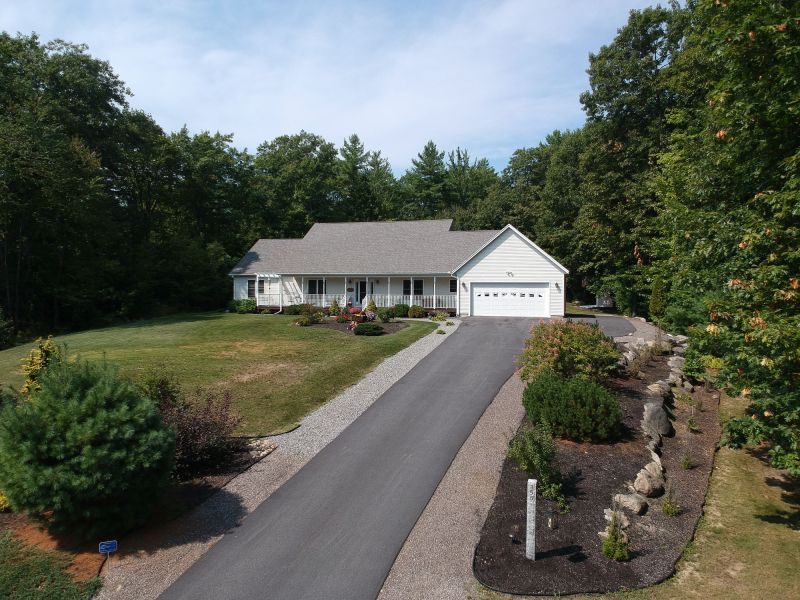

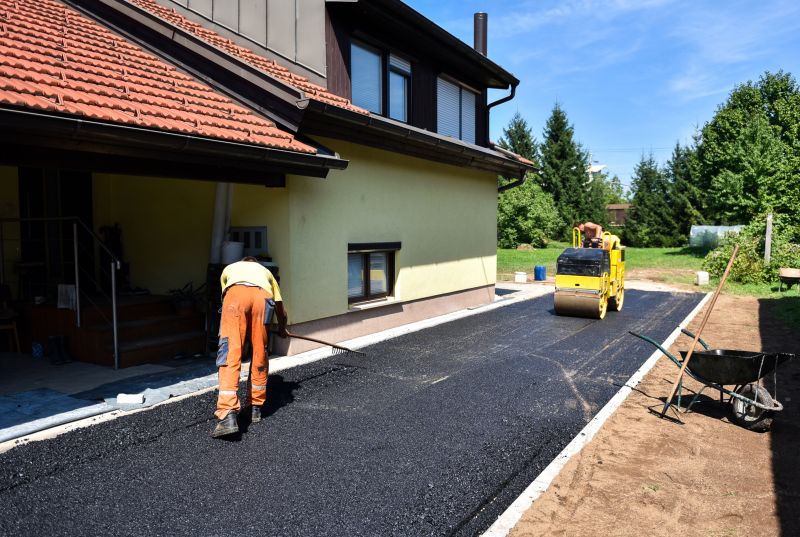
This section guides homeowners in comparing local contractors for residential asphalt paving by defining scope, verifying experience, and establishing clear expectations.
- Project Scope - Clearly define the size, shape, and purpose of the asphalt surface to ensure alignment with property needs.
- Material Specifications - Specify the type and quality of asphalt and related materials to be used for the paving project.
- Preparation Requirements - Outline the necessary site preparation steps, including grading and base installation, to support proper paving.
- Work Responsibilities - Detail the tasks and responsibilities of the service providers, including excavation, paving, and finishing.
- Warranty and Maintenance - Establish expectations for any warranties, repairs, or ongoing maintenance related to the asphalt paving.
When evaluating contractors for residential asphalt paving, it’s important to consider their experience with similar projects. Homeowners should inquire about how long a contractor has been working in the local area and whether they have completed paving jobs comparable in size and scope. An experienced service provider will have a track record of handling projects similar to the one at hand, which can provide insight into their familiarity with local soil conditions, weather challenges, and common site-specific considerations. Verifying a contractor’s history with comparable projects helps ensure they possess the practical knowledge needed to deliver quality results.
A clear, written scope of work is essential when comparing contractors for asphalt paving. Homeowners should seek detailed descriptions of what the project includes, such as surface preparation, base work, asphalt type, thickness, and finishing techniques. A comprehensive scope helps prevent misunderstandings and establishes shared expectations. Service providers who can articulate their process and deliver a written outline demonstrate professionalism and transparency. This documentation serves as a reference point throughout the project, ensuring that both parties agree on what is to be accomplished.
Verification basics are key to assessing the reliability of local contractors. Homeowners should verify that the service providers have a solid reputation within the community, which can be done through references or reviews. Additionally, confirming that a contractor has appropriate insurance coverage and adheres to local regulations provides peace of mind. While licensing and certification are not the focus here, ensuring that a contractor has a history of completing projects satisfactorily and maintains proper documentation can help identify reputable service providers. Gathering this information early supports making well-informed comparisons.
Evaluating options without focusing on prices involves reviewing the quality of proposals and the professionalism of each contractor. Homeowners can compare how thoroughly each service provider describes their approach, materials, and project scope. Attention to detail, clarity in communication, and consistency in the scope of work are indicators of a contractor’s reliability. It’s also beneficial to consider how each contractor answers questions about their process and experience. By focusing on these qualitative factors, homeowners can identify service providers who are well-suited to handle their asphalt paving needs with competence and transparency.
Ask contractors to provide written scope details to ensure clear expectations and consistent project understanding.
- Experience and References - What is the contractor’s experience with residential asphalt paving projects similar to the scope needed?
- Scope of Work - How do contractors define and clarify the specific work included in their paving services?
- Materials and Techniques - What types of asphalt and installation methods do local contractors typically use for residential projects?
- Written Estimates and Agreements - Do contractors provide detailed, written descriptions of the scope and materials to ensure clear expectations?
- Warranty and Follow-up - What warranties or guarantees do service providers offer, and how is post-project support handled?
How can I compare residential asphalt paving contractors effectively? To compare contractors, review their experience, request detailed written scope of work, and check references or reviews to ensure they have a history of quality work.
What should I consider when defining the scope of an asphalt paving project? Clearly outline the area to be paved, surface specifications, and any additional work needed to help contractors provide accurate proposals and avoid misunderstandings.
How can I verify the experience of a local asphalt paving service provider? Ask for examples of previous residential projects, inquire about their years of experience, and seek references to confirm their expertise in similar work.
Why is it important to have the project scope in writing? Having the scope documented ensures both parties agree on the work to be performed, helping prevent disputes and clarifying expectations before work begins.
What questions should I ask contractors before hiring for asphalt paving? Inquire about their previous experience, methods used, materials, and how they handle unexpected issues to ensure they align with project needs.
How can I ensure that a contractor’s proposal covers all necessary details? Request a detailed written proposal that specifies the scope of work, materials, and responsibilities to facilitate accurate comparison and informed decision-making.
This page has provided an overview of how to find and evaluate contractors for residential asphalt paving projects. Visitors have learned the importance of clearly defining the scope of work, verifying the experience of service providers, and ensuring that all project details are documented in writing. Comparing multiple local contractors can help identify options that best match specific project needs and expectations.
To move forward, consider using the quote form to connect with local service providers who can handle residential asphalt paving. This tool makes it easy to gather information and compare options, empowering homeowners to make informed decisions based on their unique project requirements.